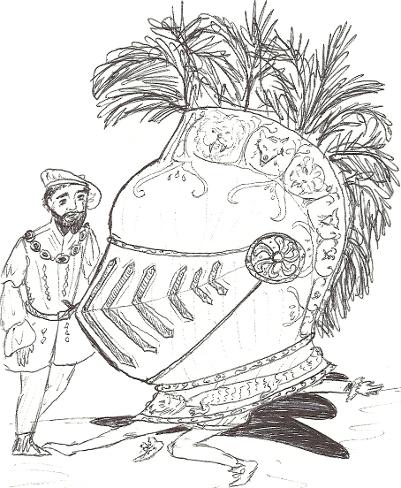
Horace Walpole's "The Castle of Otranto", published in 1764, is considered the first Gothic novel in the English canon. Full of specters and ghosts, victimized damsels and wild tyrants, peasants proved princes, and drafty haunted abbeys, "The Castle of Otranto" concocts the formula that would forever be bubbling through the genre.
The Gothic novel experienced a long lasting hay day, starting with Walpole's short work in 1764 and lasting through a great deal of the 19th century. Some of the most popular works in the genre include Michael Lewis's "The Monk", Bram Stoker's "Dracula", Mary Shelley's "Frankenstein", "The Mysteries of Udolpho" and all other works by Ann Radcliffe. On the other side of the pond, Edgar Allan Poe added substantially to the roster with his Tales of Mystery and Imagination". The Bronte sisters employed ghosts and ghostly figures; Bronte setting Cathy scrapping at a window in Mr. Lockwood's dream, and Charlotte imprisoning her madwoman in the attic (the entrance to which is hidden behind a tapestry that practically breaths with the moaning drafts of Thornfield Hall-- this being a trope of Gothic fiction). Even most fantastically (and facetiously) Miss Jane Austen took a stab at horror with her "Northanger Abbey".
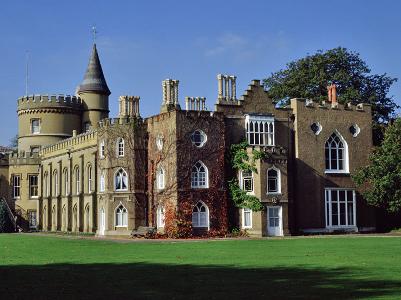
The term Gothic mainly references the type of architecture found in the novels. A heavy, mock-medieval grandeur which harkens back to the arching vaults of Notre Dame and the ornate spires of Chartres. Horace Walpole was not solely known for being a writer, "The Castle of Otranto" is actually his only piece of creative fiction, but he was an avid lover of medieval architecture, spending thousands of pounds to turn his home, Strawberry Hill (pictured below), into a Gothic revival.
*Fun Fact About Horace Walpole: He is the son of Robert Walpole, the first and longest running Rime Minister of Britain.
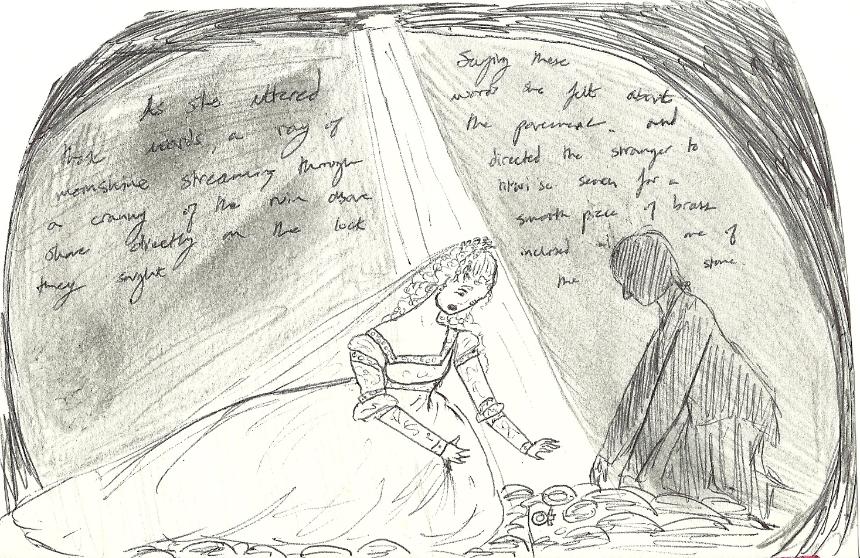
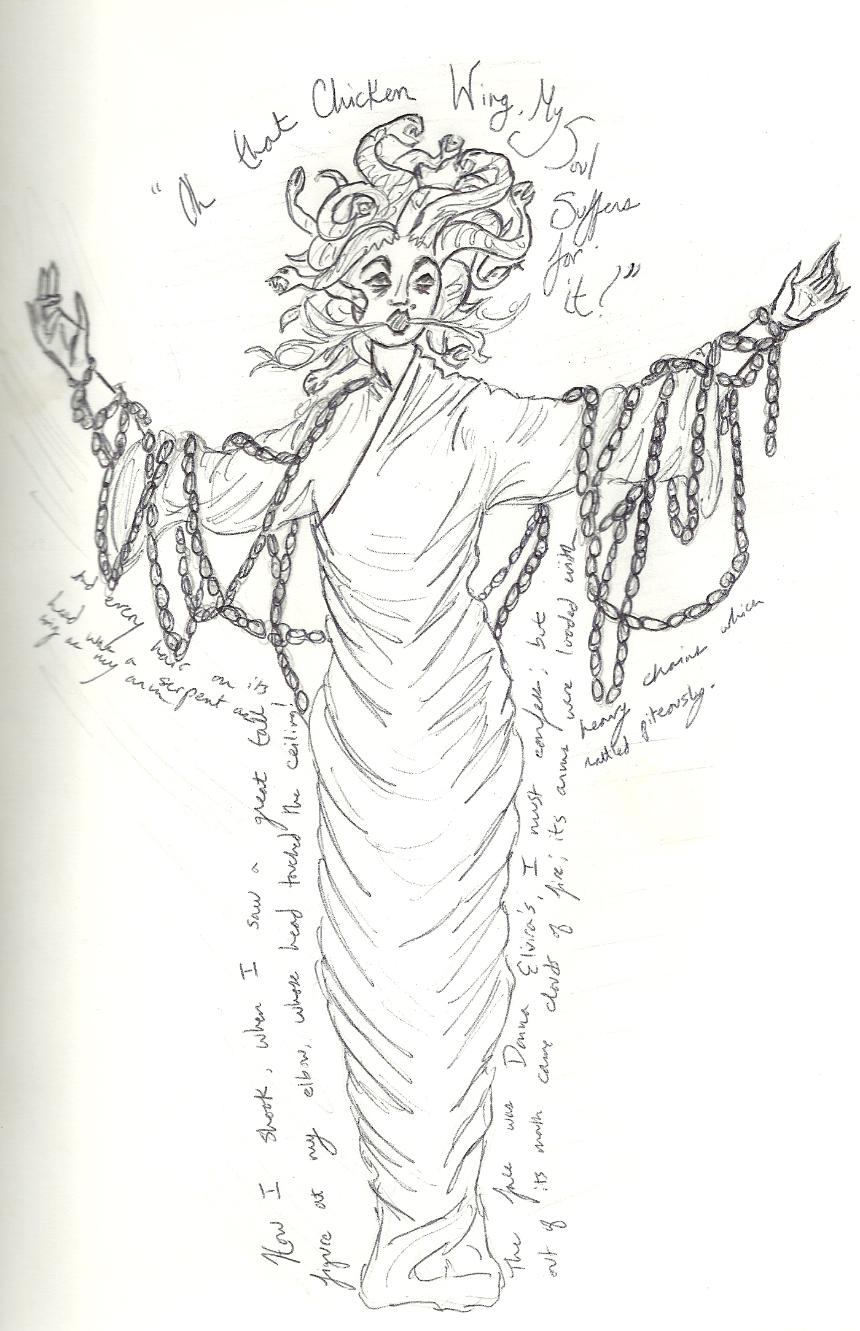
"Oh me! How I shook, when I saw a great tall figure at my elbow, whose head touched the ceiling! The face was Donna Elvira's, I must confess; but out of its mouth came clouds of fire; its arms were loaded with heavy chains, which it rattled piteously, and every hair on its head was a serpent as big as my arm." ~From Matthew Gregory Lewis' "The Monk"